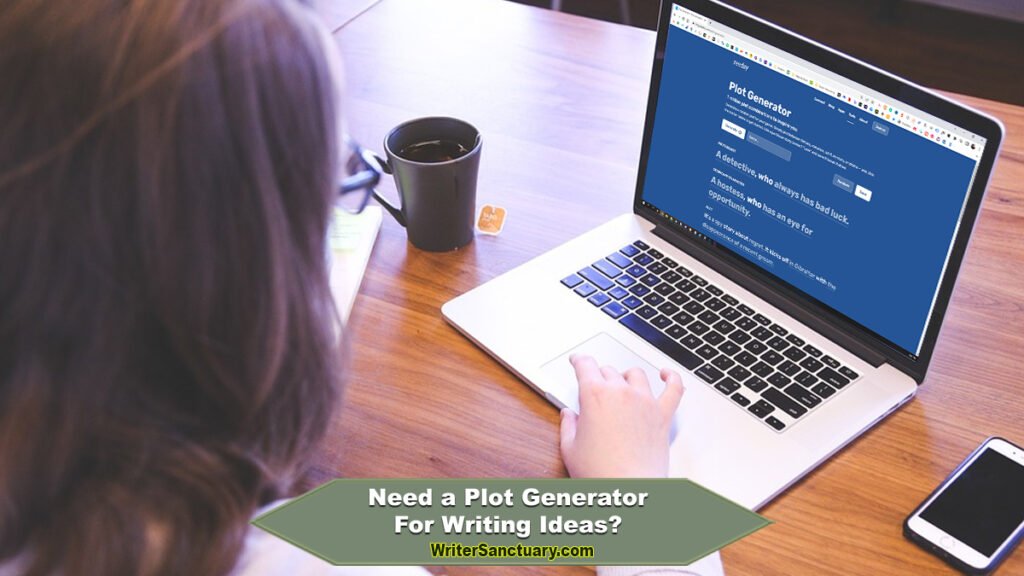
Whether you're battling the dreaded blank page, seeking an unexpected twist, or simply looking to kickstart your next great narrative, the quest for fresh ideas is universal for writers. That's where the Best Book Plot Generators Reviewed come in, transforming a daunting task into an exciting exploration of possibilities. These aren't just simple prompt tools; the latest iterations, powered by advanced AI, are becoming sophisticated co-pilots for authors across all genres.
From generating a basic premise to fleshing out intricate character arcs and world-building details, these digital muses can provide the spark you need to ignite your story. But with so many options, how do you choose the right one for your specific needs? Let's dive in.
At a Glance: Your Quick Guide to Book Plot Generators
- Not All AI is Equal: Some tools excel at generating quick, simple prompts, while others are full-fledged AI writing assistants capable of crafting detailed plotlines, dialogue, and even multiple chapters.
- The "Story Bible" Advantage: For serious long-form writing, prioritize tools with a "Story Bible" or "Codex" feature. This centralizes character, setting, and lore details, ensuring AI output remains consistent and cohesive over time.
- Free Tiers are Your Friend: Many powerful generators offer free trials or limited free tiers. Use these to test the waters and see if a tool's style and features align with your writing process before committing.
- Human Touch is Non-Negotiable: AI is a collaborator, not a replacement. Expect to heavily edit, refine, and infuse generated content with your unique voice and artistic vision.
- Specialization Matters: Some generators are great for specific genres (e.g., horror, fantasy), while others offer broader utility. Consider your primary writing focus.
Breaking the Block: How AI Rewrites the Rules of Idea Generation
Every writer knows the struggle: the cursor blinks mockingly on an empty screen, ideas elusive. Historically, authors relied on brainstorming techniques, writer's groups, or sheer force of will to conjure new narratives. Today, AI story generators offer a powerful new ally. These sophisticated software tools, trained on vast datasets of text, understand story structures, genre conventions, and linguistic patterns, allowing them to produce original narrative content from your prompts.
Think of them not as a magic wand that writes your novel for you, but as an incredibly well-read, endlessly patient brainstorming partner. They can:
- Ignite Initial Concepts: Spit out a flood of ideas for plot twists, characters, settings, and conflicts.
- Structure Your Narrative: Help you build or refine narrative arcs using established frameworks like the Hero's Journey or the Three-Act Structure.
- Flesh Out the Details: Take a bare-bones idea and expand it into detailed scenes, vivid descriptions, or compelling dialogue.
- Overcome Writer's Block: Offer continuations or entirely new directions when you hit a wall.
- Build Rich Worlds and Characters: Generate backstories, motivations, and intricate lore for your fictional universes.
For professional writers, these tools are efficiency boosters, saving countless hours in the early stages of a project. They allow you to explore more possibilities faster, ensuring you spend less time searching for ideas and more time crafting your unique story.
A critical feature you'll encounter, especially in advanced tools, is the Story Bible or Codex. This acts as your story's centralized brain, storing vital information about characters, settings, plot points, and world rules. For the AI, it's a memory bank, providing context to ensure consistency in its generations, effectively bypassing the short-term memory limitations often seen in general AI chatbots. If you're planning a long-form project, this feature is invaluable for maintaining narrative coherence.
Deciphering the Digital Muse: What to Look for in a Plot Generator
Choosing the right book plot generator depends entirely on your specific needs. Are you looking for a quick one-line prompt, or do you need a detailed, multi-paragraph plot with character profiles and suggested twists? Here's what to consider:
1. Idea Generation vs. Full Story Drafting
- Idea Generators: These are fantastic for a quick burst of inspiration. They often provide random prompts, genre-specific ideas, or a basic premise. They're excellent for beating writer's block or exploring many concepts quickly.
- AI Writing Assistants (with Plot Generation): These are more comprehensive. They not only generate plots but can also assist with outlining, character development, world-building, and even drafting prose. They often integrate plot generation into a broader suite of tools for novel writing.
2. Customization and Control
How much input do you want to have?
- Genre & Tone: Can you specify fantasy, romance, crime, or even horror? What about the mood – friendly, witty, formal, humorous?
- Story Structure: Does it offer options for Freytag's Pyramid, the Hero's Journey, or a simple Three-Act structure?
- Specific Elements: Can you input details about your protagonist, a desired plot twist, or a specific setting? The more granular control, the better the output will align with your vision.
3. Consistency and Context: The Story Bible is Key
As mentioned, for serious, long-form writing, a Story Bible (also known as a Codex or Lorebook) is a game-changer. It allows the AI to reference established facts about your world and characters, ensuring that a character's eye color doesn't change mid-story or a magical system remains consistent. Without it, even the best AI can lose track of narrative details over extended generations.
4. User Experience & Learning Curve
Is the interface intuitive or complex? Some powerful tools come with a steeper learning curve, requiring you to understand specific prompt engineering or feature sets. Others prioritize simplicity for quick, on-demand ideas. Consider how much time you're willing to invest in learning a new system.
5. Pricing and Free Tiers
Many tools offer free trials, limited free tiers, or credit-based systems. Always try before you buy! A generous free tier allows you to really test a tool's capabilities and see if its output resonates with your style. Some tools might require separate API keys for AI access, adding an extra layer of cost and setup.
Our Top Picks: Best Book Plot Generators Reviewed for Serious Authors & Enthusiasts
Let's break down the leading book plot generators, categorized by their primary strengths.
Category 1: The Full-Fledged AI Writing Partners (for Novels & Long-Form)
These tools are designed to be your long-term writing companions, offering more than just plot ideas. They integrate plot generation within a broader ecosystem for novel development.
1. DreamGen: The Versatile Story Weaver
Why it stands out: DreamGen is lauded as an excellent overall AI story generator, balancing versatility for both serious fiction and creative entertainment. It offers a high degree of control over your narrative, from plot and characters to lore and tone.
- Key Features:
- Generous Free Tier: A big plus for trying it out thoroughly.
- Centralized Scenario Codex: An integrated Story Bible for consistent story details.
- Specialized AI Models: Trained for natural, genre-aware output.
- Inline Story Steering: Allows you to guide the narrative direction mid-generation.
- Comprehensive Writing Assistant: Helps with various writing tasks.
- Unfiltered Content Generation & Role-Play Mode: Provides creative freedom.
- Best For: Writers seeking a powerful, integrated tool with a strong Story Bible and creative control, suitable for both long-form projects and interactive storytelling.
- Considerations: Some users have noted glitches and a potentially complex UI.
2. NovelCrafter: The Professional's AI Partner
Why it stands out: Billed as the best for professional writers, NovelCrafter excels at managing complex story information and fostering a collaborative writing process.
- Key Features:
- Robust "Codex": Arguably the best Story Bible feature for managing intricate story elements and ensuring AI consistency.
- Powerful Writing Assistant Tools: Expand, Shorten, Rephrase, and more.
- Extreme AI Configurability: Fine-tune prompts and parameters to a granular level.
- Third-Party AI Model Compatibility: Use OpenAI, Anthropic, Google, allowing potential cost savings via API keys.
- Best For: Serious fiction authors who need deep customization, a top-tier Story Bible, and are comfortable with a steeper learning curve and managing API keys for AI access (no free tier for the AI itself).
- Considerations: No free tier, requires separate payment for AI access via API keys, and has a significant learning curve.
3. Sudowrite: The Intuitive Brainstormer
Why it stands out: Sudowrite is purpose-built for professional fiction authors, offering an intuitive interface and strong collaborative assistance for brainstorming, rewriting, and expanding prose.
- Key Features:
- Story Bible: Tracks essential information for consistent generations.
- Specialized Writing Assistant Tools: "Describe," "Expand," "Rewrite," and "Brainstorm" are highly praised.
- Intuitive Interface: Known for its user-friendly design.
- Relatively Unfiltered Content: Offers creative freedom.
- Best For: Novelists looking for an AI partner to enhance existing text, generate short passages, and assist with brainstorming. Its UI is a big draw.
- Considerations: No free tier, credit-based subscription can be expensive for prolific writers, and it's better for enhancing/short passages than generating entire stories autonomously.
4. Claude Pro (Anthropic): The Nuanced Conversationalist
Why it stands out: While not a dedicated story generator with built-in story tools, Claude Pro is a powerful general-purpose LLM known for its deep context window, nuanced tone, and ability to handle complex narrative requests.
- Key Features:
- Deep Context Windows (up to 100,000 tokens): Ideal for feeding long sections of your manuscript for analysis or continuation.
- Human-like Coherence & Empathetic Tone: Excels at emotional arcs, philosophical reflections, and character monologues.
- Extended "Hybrid Reasoning": Good for analytical thinking about plot structures or character motivations.
- Best For: Authors who need a sophisticated co-writer for deep drafts, structural analysis, and refining character voice, and who are comfortable without built-in story management tools.
- Considerations: Paid only (no free tier), lacks dedicated story tools like a Story Bible, and its "creative overthinking" can be slow for rapid improvisational writing.
Category 2: The Idea Engines & Prompt Powerhouses (for Quick Sparks & Brainstorming)
These tools are perfect when you need a quick plot idea, a specific scenario, or a diverse range of creative prompts to get the juices flowing. They generally don't offer the deep integration of a full AI writing assistant, but they're invaluable for breaking writer's block.
5. Squibler: The Random Idea Factory
Why it stands out: Squibler is a free random plot generator that can churn out thousands of ideas quickly, making it a fantastic resource for brainstorming.
- Key Features:
- Thousands of Random Prompts: Quick, diverse inspiration.
- "Try Dangerous Mode": For more unconventional prompts.
- Variety of Prompt Types: Intriguing questions, character descriptions, incomplete sentences.
- Includes a Story Bible: For managing story elements (characters, objects, settings) even in its free tier.
- Writing Assistant & Plot Planner: Offers some integrated writing tools.
- Best For: Writers seeking rapid-fire ideas, unconventional prompts, and basic story element management, especially if you're on a budget (free tier up to 6000 words/month).
- Considerations: Users have reported issues with account creation/login and refunds, and the free tier has word limits.
6. Website 1 (papertrue.com): The Multi-Format Generator
Why it stands out: This tool is versatile, generating ideas for a range of formats beyond just novels.
- Key Features: Short stories, movie scripts, picture books, fairytales, opening lines, memes, and headlines.
- Customizable Endings: Choose happy, sad, or twist endings.
- Specialized Genres: Dedicated romance, fantasy, and crime plot generators (Pro for customized details).
- Character Development Tools: Name and Character Generators.
- Best For: Writers working across different formats or those who want very specific genre prompts and character ideas.
7. AI Plot Generator 3 (papertrue.com): Detailed Plot Weaver
Why it stands out: This generator delivers remarkably detailed plots, going beyond a simple premise.
- Key Features: Creates customized plots, character profiles, metaphors, and dialogues.
- Detailed Output: Generates 8-9 paragraph plots.
- Additional Generators: Backstory, fantasy story, book title, poem, rhyme, haiku, rap lyrics.
- Best For: Writers who need a comprehensive plot outline to kickstart their story, along with auxiliary tools for other creative writing needs.
8. Storytelling.com: Fast & Focused Prompts
Why it stands out: This site provides detailed writing prompts quickly, with good control over genre and ending.
- Key Features: Generates detailed writing prompts (5 paragraphs) within seconds.
- Genre Selection: Action, comedy, drama, fairytale, historical, horror, etc.
- Ending Choices: Happy, sad, mysterious, romantic, twist.
- Custom Details: Allows adding info about the plot's topic, setting, and characters.
- Best For: Authors who need a quick, structured, and customizable prompt that provides a solid foundation for a short story or novel chapter. You can truly find book plot ideas here with speed.
9. Website 2 (papertrue.com): Structure-Oriented Generator
Why it stands out: Focuses on leveraging classic story structures, giving your plot a strong foundational framework.
- Key Features: Selects from 7 story structures (e.g., Freytag’s Pyramid, The Hero’s Journey, Three Act Structure).
- Options for: Story idea, theme, genre, various tone options (friendly, witty).
- Chat Mode: For enhancing writing prompts.
- Best For: Writers who appreciate working within established narrative structures and want their plots to have a clear beginning, middle, and end.
10. Story Generator 4 (papertrue.com): Global & Versatile
Why it stands out: Widely used by various creatives, this tool offers detailed plots with extensive tone and language options.
- Key Features: Generates detailed plots (5 paragraphs).
- 14 Tone Options: Casual, formal, humorous, inspirational, etc.
- Multiple Languages: English, Italian, Japanese, German, Russian, French, Hindi.
- Best For: Writers, screenwriters, game designers, and educators who need detailed plots with specific tonal requirements or for international projects.
11. Story Plot Generator 5 (papertrue.com): Creativity & Niche Focus
Why it stands out: Offers unique "creativity options" and specific filters, particularly strong for horror.
- Key Features: Creativity options (Standard, Conservative, Innovative, Imaginative, Visionary, Inspired).
- Horror Plot Generator Focus: Excels in this genre.
- Story Length & Categories: Short, medium, long, extensive; classic, humor, sci-fi, love, thriller, realism.
- Age Group Selection: For tailoring content.
- Best For: Niche genre writers (especially horror), or those who want to experiment with different levels of creative input from the AI, and for stories targeting specific age demographics.
12. Tool 6 (papertrue.com): The Random Plot Alchemist
Why it stands out: Boasts a massive number of random plot combinations, allowing for unique and unexpected ideas.
- Key Features: Generates 1 million combinations of random plots.
- Genre Selection: Drama, romance, fantasy, sci-fi.
- Specific Prompts: Protagonist, secondary character, plot, exciting plot twist.
- Note Section: For character qualities or behaviors (e.g., addiction).
- Best For: Writers looking for truly random, surprising plot concepts and a quick way to integrate specific character traits or plot twists.
13. Tool 7 (papertrue.com): The Prompt & Character Suite
Why it stands out: Combines a random plot generator with useful character and setting naming tools.
- Key Features: Writing prompts for stories and film scripts.
- Random Plot Generator: Two characters, situation, setting, theme.
- Murder Plot Generator: Victim profile, location, time, method, clue.
- Additional AI Generators: Character, Town Name, Random First Line of Dialogue, Story Ideas.
- Best For: Mystery/crime writers, or those who need a comprehensive suite of prompt generators for various story elements beyond just the plot.
14. Random Prompt Generator 9 (papertrue.com): Deep Dive into Plot Devices
Why it stands out: Offers thousands of prompts and focuses on breaking down plot into detailed "devices."
- Key Features: Thousands of free prompts, setting generator (continents, countries, fantasy races).
- Prompt Generation Options: Premise (short), Detailed & Complete.
- 3 Genre Options: Action, fantasy, romance.
- Plot Devices Generator: Detailed prompts about people, locations, threats, feelings, events.
- Best For: Writers who want to explore detailed narrative components and specific plot devices, ensuring their story has depth and interconnected elements.
Category 3: The Interactive Storytellers & Role-Play Fun
These tools lean into the interactive and entertainment aspects of AI, allowing you to co-create stories in a dynamic, often gamified way. While some can be adapted for serious writing, their primary strength is engagement.
15. AI Dungeon: Your Gamified Story Partner
Why it stands out: AI Dungeon transforms writing into a game, responding to your typed actions with narrative continuations.
- Key Features:
- Massive Scenario Library: Thousands of user-generated scenarios (fantasy, sci-fi, romance, horror).
- Gamified Writing: Unpredictable plot twists keep you engaged.
- Mobile App Availability: Play on iOS/Android.
- Free Options: For less capable AI models.
- Best For: Interactive story enthusiasts, role-players, or writers looking for an extremely dynamic and unpredictable brainstorming experience.
- Considerations: Has had privacy/security incidents, and while fun, may not be ideal for structured long-form novel writing.
16. DeepRealms: Scripting Your Own Adventures
Why it stands out: More of an interactive experience creator than a pure plot generator, DeepRealms allows for dynamic, scripted narratives.
- Key Features: Entertainment-focused with a simple interface.
- World Engine: Create dynamic, scripted experiences using Python code.
- Best For: Game designers, interactive fiction creators, or users who want to be part of a story and potentially script their own.
- Considerations: Not primarily designed for traditional story writing but for interactive experiences.
17. DeepFiction AI: Visual Storytelling & Playful Creation
Why it stands out: This tool combines writing assistance with visual storytelling, leaning heavily into creative expression and entertainment.
- Key Features:
- Personalized Story Engine ("Flow"): Adapts to your writing style.
- Scenario Generator: For quick story starts.
- Multimedia Tools: Create scene art and animated clips.
- Relatively Unfiltered Writing: Creative freedom.
- Best For: Casual storytellers, visual creators, or those looking for a fun, multimedia-rich way to generate and explore story ideas.
- Considerations: Very limited free tier, content ownership caveats (free-tier stories may be used for training), and a smaller community.
Brief Mention: Tools for Specific Needs
- NovelAI: Offers a Lorebook for consistency and is known for being uncensored, but its models can be outdated, requiring more manual intervention. Great for niche content if you're willing to put in the work.
- Sassbook AI Writer: Known for its clean interface and quick content generation. It's good for short drafts and has an all-in-one toolkit, but its fiction support is basic, and output limits for free users are short (~100 words per generation). Better for short-form content than complex narratives.
Beyond the Prompt: Making AI Your Co-Pilot, Not Your Replacement
Finding the perfect plot generator is just the first step. The true magic happens when you integrate these tools intelligently into your writing workflow.
The "Heavy Editing" Imperative
Remember, AI generates text based on patterns; it doesn't understand intent, emotion, or thematic depth the way a human writer does. Its output can be repetitive, generic, or even nonsensical. You must heavily edit and refine everything an AI produces. This means:
- Injecting Your Voice: Make the AI-generated text sound like you.
- Deepening Characters & Themes: Add layers of motivation, internal conflict, and overarching meaning.
- Sharpening Prose: Refine word choice, sentence structure, and imagery.
- Ensuring Cohesion: Smooth out transitions and ensure the plot flows logically.
Developing Your Unique Voice
Don't let AI dilute your authorial voice. Use it to explore ideas and overcome blocks, but always funnel the output through your unique creative lens. Think of AI as a very enthusiastic, slightly clumsy intern who brings you lots of raw material. It's up to you, the seasoned architect, to shape that material into a masterpiece.
Leveraging AI for Specific Tasks
- Overcoming Writer's Block: When stuck, ask the AI for 10 different ways a scene could unfold.
- Expansion & Elaboration: Have a brief idea for a setting? Ask the AI to describe it in detail.
- Refinement: Feed a clunky paragraph to the AI and ask it to "rewrite this to be more concise" or "make this sound more evocative."
- Character Exploration: Ask for a character's backstory, their greatest fear, or their hidden desire.
Finding Your Perfect Plot Partner: A Decision Guide
Ready to choose? Here's how to narrow it down:
- What's Your Goal?
- Full Novel/Long-Form Fiction: Prioritize tools with robust Story Bibles/Codex features, extensive customization, and deep AI integration like DreamGen, NovelCrafter, or Sudowrite. Claude Pro can also be a powerful assistant if you manage context manually.
- Quick Ideas/Brainstorming/Short Stories: Look for prompt generators with varied options, genre filters, and quick output, such as Squibler, Storytelling.com, AI Plot Generator 3, or Website 1.
- Interactive/Role-Play/Gamified: AI Dungeon or DeepFiction AI are your go-to choices for a more dynamic, engaging experience.
- Consider Your Budget: Start with free tiers or trials. If you're serious, be prepared to invest in a subscription that offers the features you need without constant credit worries. Remember some tools require separate API key payments.
- Test Drive, Test Drive, Test Drive: The best way to know if a tool is right for you is to try it. Spend time generating plots, characters, and descriptions. See how well the AI understands your prompts and how much editing its output requires.
The landscape of AI-powered writing tools is evolving rapidly. By understanding their strengths and weaknesses, you can harness their power to generate compelling narratives, break creative barriers, and ultimately, write the book you've always dreamed of. Embrace these digital collaborators, and let your imagination soar.